When industrial operations involve extreme temperatures exceeding 1000°C, standard fiberglass materials reach their performance limits. This reality has driven demand for specialized high-temperature textiles capable of withstanding molten metal splash, furnace radiation, and prolonged thermal exposure. Among these advanced materials, high silica fabric has emerged as a critical solution for welding protection, foundry operations, and aerospace applications.
Understanding High Silica Fabric Technology
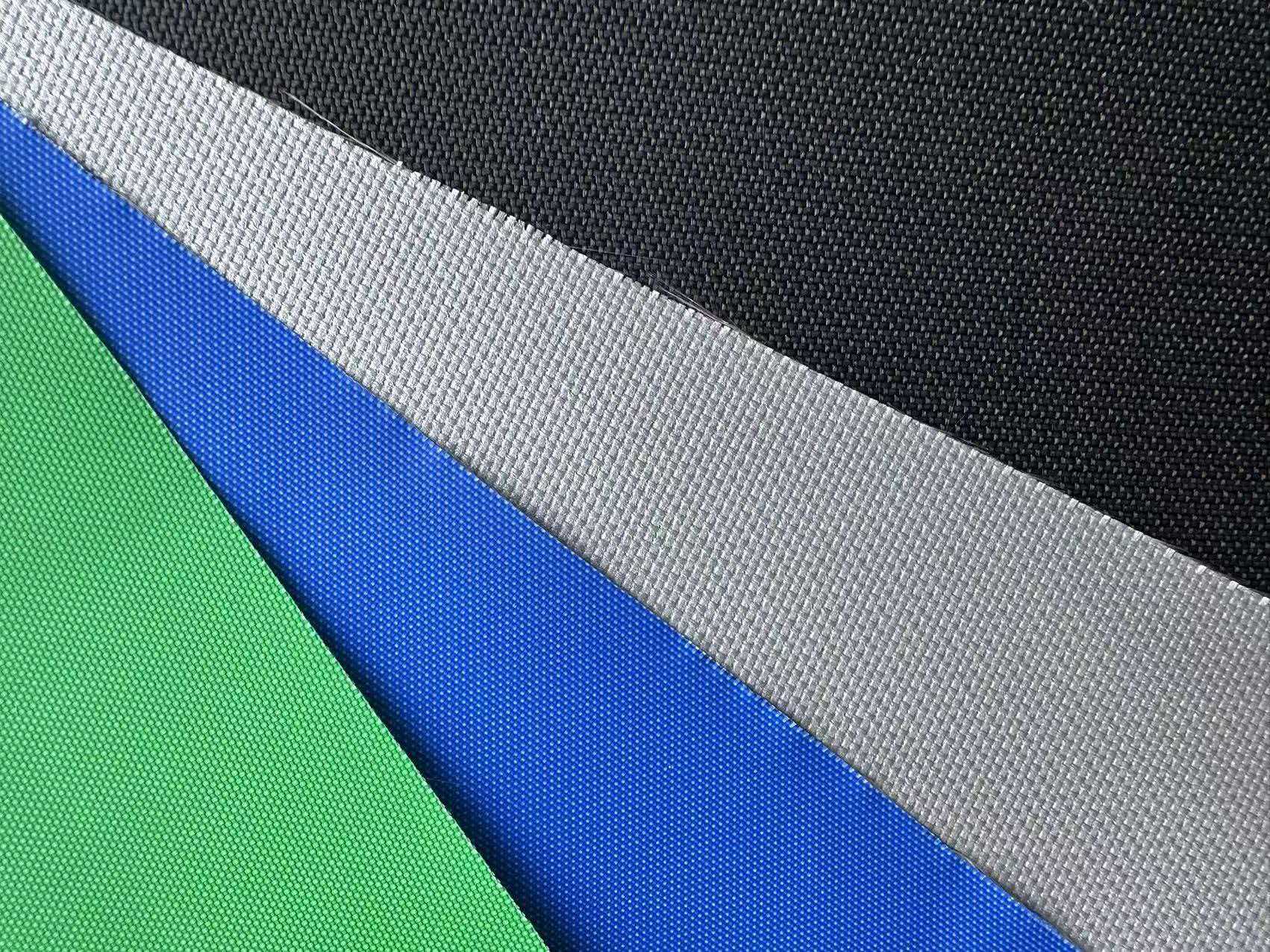
High silica fabric represents a specialized category of heat-resistant textiles distinguished by its exceptional silicon dioxide content. Unlike conventional E-Glass fiberglass fabrics that typically contain 52-56% silica and withstand temperatures up to 550°C (1022°F), high silica fabrics contain over 96% SiO2, enabling continuous operation at temperatures reaching 1100°C (2012°F). This fundamental compositional difference translates directly into superior thermal performance in demanding industrial environments.
The manufacturing process involves carefully controlled fiber production followed by various coating applications. Silicone coating provides weather resistance and flexibility, vermiculite coating enhances spark resistance and heat dissipation, while PTFE coating delivers chemical inertness for corrosive environments. These coating technologies allow manufacturers to tailor fabric properties to specific operational requirements, from removable insulation covers to welding curtains and emergency fire blankets.
Critical Applications in Welding and Metallurgy
Welding operations generate temperatures between 1500°C and 3000°C at the arc point, with molten metal spatter reaching surrounding areas. In shipyards, automotive manufacturing facilities, and structural steel fabrication shops, protecting nearby equipment and personnel from this thermal hazard remains paramount. High silica welding blankets function as portable thermal barriers, preventing burn-through that occurs with lower-grade materials.
Suzhou Weidun Composite Fabric Co., Ltd. has developed specialized welding blankets utilizing high silica fabric construction with reinforced edges sewn using Kevlar or fiberglass thread. These industrial welding blankets are engineered to maintain structural integrity under thermal stress, with custom dimensions ranging from 1x1 meter to 3x3 meters depending on application requirements. The vermiculite-coated versions provide enhanced protection against particularly intense spatter conditions common in shipbuilding and heavy metallurgy.
Foundries present equally demanding conditions. Furnace linings, ladle covers, and splash protection systems require materials that resist not only extreme heat but also thermal shock from rapid temperature fluctuations. The 96% silica content enables these fabrics to absorb and dissipate thermal energy without degradation, extending service life significantly compared to standard materials.
Manufacturing Capabilities and Quality Standards
Production scale directly impacts material consistency and supply reliability. Operating 6 advanced coating lines across 3 production bases totaling over 20,000 square meters, Weidun Composite achieves annual production capacity of 6 million meters of coated fabric. This manufacturing footprint enables specification flexibility uncommon in the specialty textile sector, including thicknesses from 0.2mm to 6.4mm and widths up to 3000mm.
Quality assurance follows multiple international standards. ISO 9001:2015 certification ensures systematic quality management, while IATF 16949 certification demonstrates automotive-grade manufacturing discipline. Product-level certifications include UL94V0 for flame retardancy, NFPA 701 for flame propagation resistance, and BS 476 for building material fire performance. Reach and RoHS compliance addresses environmental and safety regulations in European and North American markets.
These certifications carry particular significance for procurement managers in regulated industries. Aviation and aerospace applications demand rigorous material traceability and performance documentation. Nuclear power generation facilities require materials meeting stringent fire safety codes. The certification portfolio enables high silica fabric from Chinese manufacturers to meet these exacting requirements while offering cost advantages over Western suppliers.
Performance Advantages in Extreme Environments
Temperature resistance represents the most obvious performance metric, but several additional properties determine real-world effectiveness. Chemical stability ensures that exposure to oils, solvents, and industrial fluids does not compromise fabric integrity. High silica composition provides inherent resistance to most acids and alkalis, critical for chemical processing environments.
UV stability prevents degradation in outdoor applications such as expansion joint covers and removable insulation systems on industrial piping. Silicone-coated high silica fabric maintains flexibility and tensile strength despite prolonged sun exposure, whereas uncoated or lower-grade materials become brittle and require frequent replacement.
Mechanical strength affects handling and installation efficiency. The base fabric utilizes 4HS Satin weave or Twill weave patterns to optimize strength-to-weight ratios. This construction allows welding blankets to drape effectively around complex geometries while resisting tearing during repeated deployment and storage cycles. For smoke curtain applications, polyurethane coating over fiberglass base fabric provides the stiffness required for proper barrier formation.
Global Supply Chain Considerations
Chinese manufacturers have established significant presence in global high-temperature textile markets, particularly across North America, Europe, and Russia. This geographic reach reflects both competitive pricing and proven technical capability. Weidun Composite exports over 1 million meters of silicone-coated glass cloth annually, demonstrating sustained demand from international buyers.
Procurement advantages include direct-from-factory customization for specific industrial dimensions and temperature requirements. Bulk wholesale pricing models accommodate both large-scale industrial consumers and safety product distributors. Experience with international logistics standards ensures reliable delivery to global destinations, addressing a common concern when sourcing from distant suppliers.
Technical support capabilities extend beyond simple product sales. Application engineering assistance helps buyers select appropriate fabric weights, coating types, and dimensions for their specific thermal protection needs. This consultative approach proves particularly valuable for complex installations such as turbine insulation systems or furnace curtain assemblies.
Selection Criteria for Industrial Buyers
When evaluating high silica welding fabric suppliers, several factors warrant consideration beyond unit pricing. Maximum operating temperature should align with actual exposure conditions, with appropriate safety margins. Continuous exposure ratings differ from short-term splash resistance, requiring careful specification review.
Coating selection depends on environmental exposure. Outdoor applications demand UV-resistant coatings, while chemical processing environments require specific coating compatibility. Mechanical handling requirements may favor certain coating types that provide better abrasion resistance or flexibility.
Manufacturing capacity affects supply reliability, particularly for high-volume consumers. Suppliers with multiple production lines can better accommodate large orders and customization requests without extended lead times. Quality certifications provide assurance of consistent material properties across production batches.
After-sales support becomes critical for technical applications. Access to application engineering expertise helps optimize material selection and installation methods. Clear documentation including material safety data sheets and performance test reports facilitates compliance with internal procurement standards and regulatory requirements.
Industry Trends and Future Developments
The global industrial safety market continues expanding, driven by increasingly stringent workplace safety regulations and growing awareness of fire prevention best practices. Emergency fire blankets have gained adoption beyond traditional industrial settings into commercial kitchens, hotels, and residential applications due to their maintenance-free operation and indefinite shelf life compared to chemical extinguishers.
Advanced coating technologies continue evolving. EPDM coatings provide enhanced chemical stability for non-metallic expansion joints in particularly aggressive environments. Ongoing research into nano-particle enhanced coatings promises further improvements in thermal performance and durability.
Sustainability considerations increasingly influence material selection. High silica fabrics offer inherent advantages through extended service life, reducing replacement frequency and associated waste. The inorganic composition eliminates concerns about toxic combustion products, important for enclosed workspace applications.
For industrial facilities operating in extreme temperature environments, high silica welding fabric from specialized Chinese manufacturers like Suzhou Weidun Composite Fabric Co., Ltd. represents a proven solution combining exceptional thermal performance, comprehensive certifications, and flexible manufacturing capabilities. As global supply chains mature and quality standards converge, strategic sourcing from high-capacity Asian producers delivers both performance assurance and economic value for demanding thermal protection applications.
www.weiduncomposite.com
Suzhou Weidun Composite Fabric Co., Ltd.
About Author